Go Back

The Impact of the Digital Revolution

Technology
Updated:
2/19/26
Original:
2/19/2026
min read
Build With Clarity

In just a few decades, the digital revolution has sparked a shift from mechanical and analog technologies to digital systems, changing almost every aspect of life, from customer service to how we manage finances. Yet, while often mistaken for one another, the digital revolution and digital transformation are different concepts. 

To summarize, the digital revolution is a broad societal shift, while digital transformation is a specific, strategic business process within it. But what does the digital revolution mean, and how can you use it to your advantage?

What is Digital Revolution?

The digital revolution marked the beginning of the Information Age and the Third Industrial Revolution in the second half of the 20th century with the rise of computers, cell phones, industrial robots, automated teller machines (ATMs) and CGI. However, the impact of the digital revolution extends far beyond technology: it has reshaped economies, cultures and ways of working by embedding digital tools into everyday life. 

For organizations, this transformation unlocked (and keeps unlocking) global reach, real-time decision-making and major productivity gains. Digital technologies enable businesses to scale faster and collaborate across borders, removing constraints on time, location and physical infrastructure. 

Cloud platforms, for example, allow businesses to scale operations on demand without heavy upfront investment. Moreover, advanced analytics, digital platforms and software-based products create new value models. Combining the benefits of scalability, connectivity and data-driven innovation allows digital products to grow faster.

Related
How To Successfully Scale a Digital Product

The Digital Revolution Timeline

Digital Revolution in the 1980s  

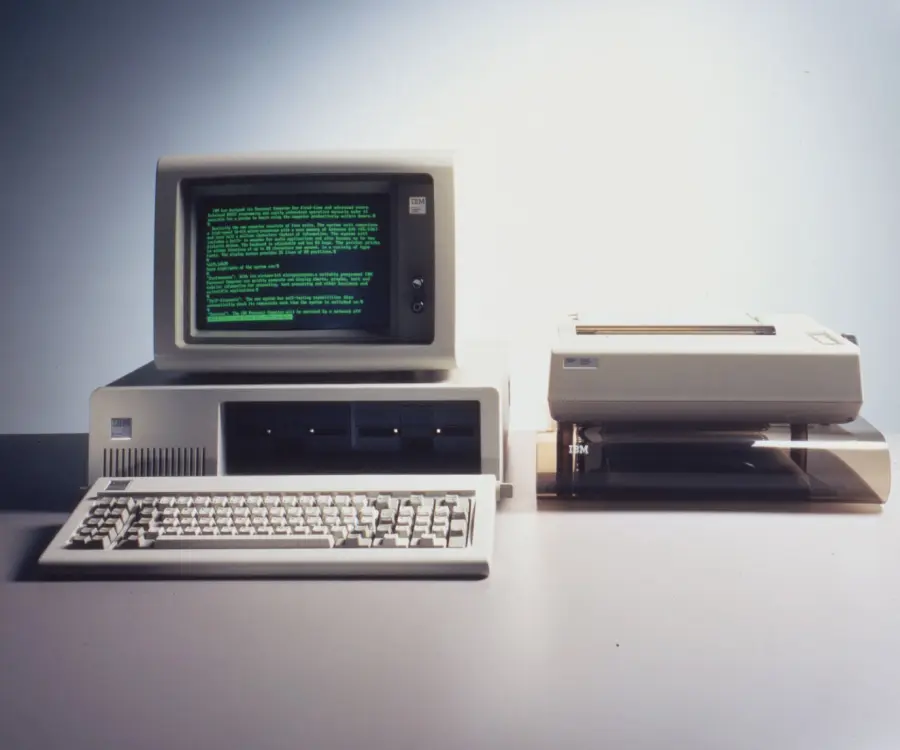
  • 1981: IBM PC launches.
  • 1982: 286 microprocessor (Carnegie Mellon University)
  • 1983: Adoption of TCP/IP (Internet's foundational language).
  • 1984: Apple Macintosh launches.
  • 1988: First true digital camera.
  • 1989: "Web of information." 

Capicua Product Growth Partner
IBM PC - Source: IBM

Digital Revolution in the 1990s

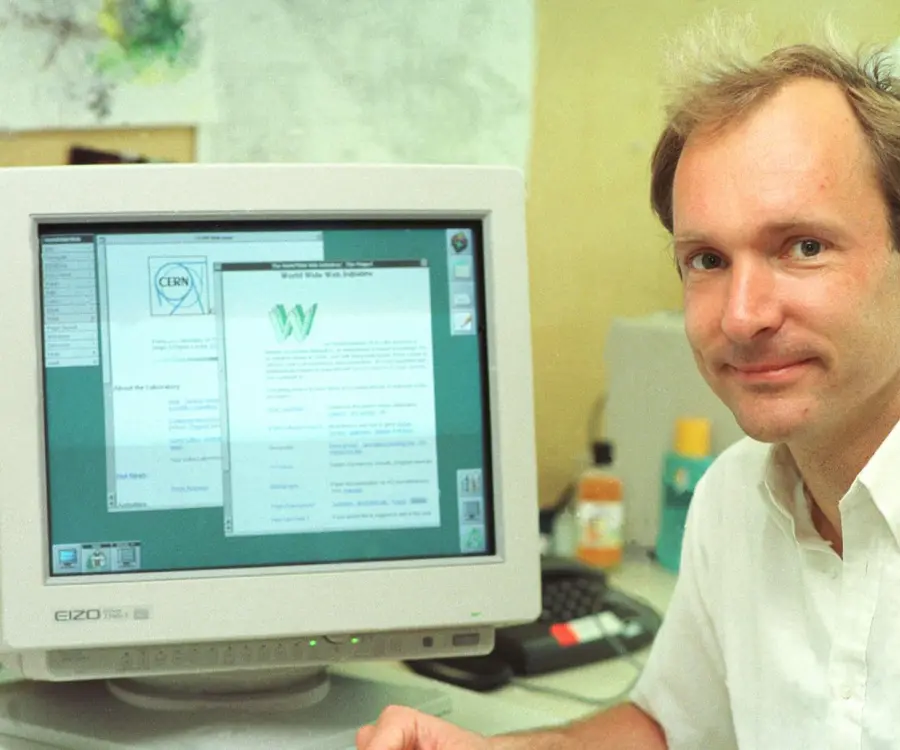
  • 1990: HTTP, URIs (URLs), HTML. 
  • 1990: First web server and first browser.
  • 1991: Web code freely available.
  • 1993: World Wide Web (WWW).
  • 1995: Google is founded.
  • 1997: The term Big Data is coined.
  • 1999: Internet access in virtually every country.  
Capicua Product Growth Partner
The birth of the Web - Source: CERN

Digital Revolution in the 2000s

  • 2004: Facebook is founded.
  • 2005: Internet users reach $1B worldwide.
  • 2006: Amazon Web Services (AWS) is created.
  • 2007: The first iPhone.
  • 2007: Netflix introduces streaming.
  • 2009: Bitcoin is launched.

Capicua Product Growth Partner
The first iPhone - Source: FastCompany

Digital Revolution in the 2010s

  • 2011: Apple launches Siri.
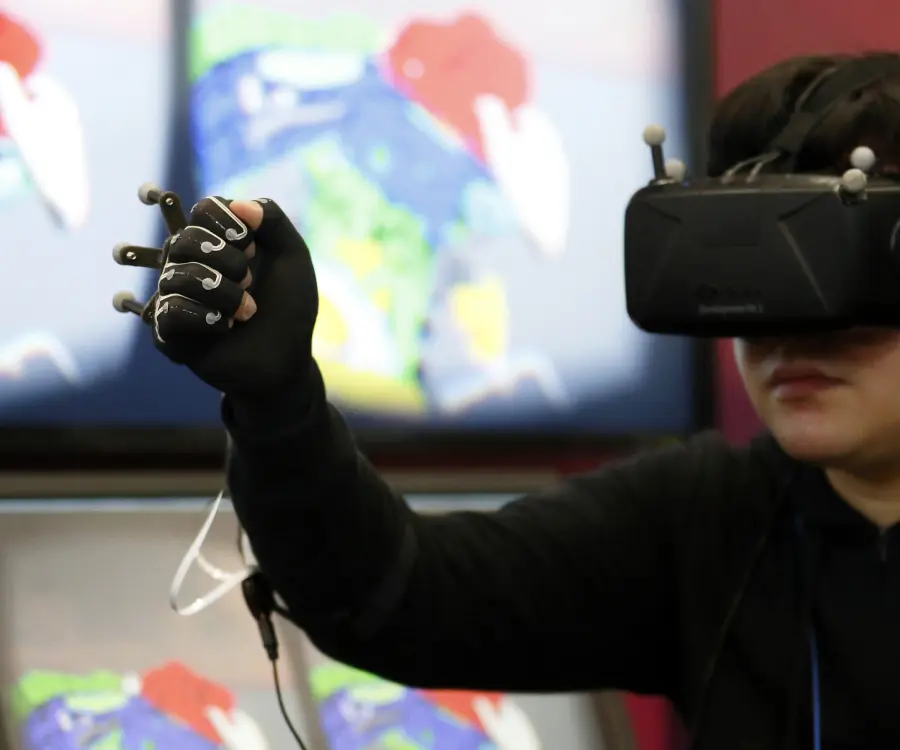
  • 2015: Oculus ignites VR.
  • 2014: Web 3.0 gains traction. 
  • 2015: Ethereum is launched.
  • 2016: Oculus launches the first consumer VR headset.
Capicua Product Growth Partner
The Oculus VR headset - Source: NPR

Digital Revolution in the 2020s

  • 2020: The COVID-19 pandemic increases digital interactions.
  • 2021: OpenAI releases DALL-E's T2I.
  • 2022: ChatGPT is available.
  • 2023: OpenAI releases GPT-4.
  • 2024: Microsoft integrates ChatGPT into Bing.
  • 2024: Google releases Bard
  • 2024: Apple announced Apple Intelligence.

The Benefits of the Digital Revolution

The digital revolution has unlocked opportunities that were once limited by geography, resources or access, as digital tools enable seamless, global collaboration. That's one of the most visible benefits of the digital revolution: creating more inclusive, flexible and efficient environments.

Artificial Intelligence has further accelerated business productivity by automating repetitive, time-consuming tasks and reducing manual effort and human error. As a result, techs have improved higher-value work, decision-making and operational efficiency. The digital revolution also fuels constant creativity and innovation, as technology lowers the cost of experimentation, encourages new ways of thinking and enables the development of sustainable, scalable solutions. 


Digital Revolution and Product Development

The digital revolution has reshaped business models, from conception to evolution, leading to continuous, data-informed product building that is deeply connected to users, ecosystems, and tech platforms.

Digital tools have accelerated the cycle from idea to market while reducing uncertainty. In this context, cloud infrastructure and composable architectures allow products to be built incrementally and scaled from day one. Teams validate assumptions early, adapt to feedback and rapidly iterate without costly structures that once slowed innovation.

At the same time, data has become a core input to decision-making, shifting product growth from opinion-led to evidence-based prioritization, and from personalized experiences to intelligent features that learn, adapt and evolve. As a result, businesses create products that grow in value, strengthening metrics such as Customer Lifetime Value.

Tools
Interactive Customer Lifetime Value Calculator

Conclusion

The digital revolution continues as technology evolves and computing power increases. What began as a transition to digital systems has evolved, shaping business outcomes and the digital economy.

Capicua is a Product Growth Partner ready to guide your company through strategy, execution and optimization. Reach out!

About
We turn costly guesswork into signal-based direction for visionary leaders to regain control losing value.

With Shaped Clarity™, we anchor decisions to purpose for sustainable and rewarding growth.
Shaped Clarity
discover
Shaped
Clarity™
Shaped Clarity
discover
Shaped
Clarity™

Scalable Product Evolution

The Palindrome - Capicua's Blog
Make The Difference
This image showcasts different concepts related with the article topic.
Summarize:
Summarize with ChatGPTSummarize with PerplexitySummarize with Claude

In just a few decades, the digital revolution has sparked a shift from mechanical and analog technologies to digital systems, changing almost every aspect of life, from customer service to how we manage finances. Yet, while often mistaken for one another, the digital revolution and digital transformation are different concepts. 

To summarize, the digital revolution is a broad societal shift, while digital transformation is a specific, strategic business process within it. But what does the digital revolution mean, and how can you use it to your advantage?

What is Digital Revolution?

The digital revolution marked the beginning of the Information Age and the Third Industrial Revolution in the second half of the 20th century with the rise of computers, cell phones, industrial robots, automated teller machines (ATMs) and CGI. However, the impact of the digital revolution extends far beyond technology: it has reshaped economies, cultures and ways of working by embedding digital tools into everyday life. 

For organizations, this transformation unlocked (and keeps unlocking) global reach, real-time decision-making and major productivity gains. Digital technologies enable businesses to scale faster and collaborate across borders, removing constraints on time, location and physical infrastructure. 

Cloud platforms, for example, allow businesses to scale operations on demand without heavy upfront investment. Moreover, advanced analytics, digital platforms and software-based products create new value models. Combining the benefits of scalability, connectivity and data-driven innovation allows digital products to grow faster.

Related
How To Successfully Scale a Digital Product

The Digital Revolution Timeline

Digital Revolution in the 1980s  

  • 1981: IBM PC launches.
  • 1982: 286 microprocessor (Carnegie Mellon University)
  • 1983: Adoption of TCP/IP (Internet's foundational language).
  • 1984: Apple Macintosh launches.
  • 1988: First true digital camera.
  • 1989: "Web of information." 

Capicua Product Growth Partner
IBM PC - Source: IBM

Digital Revolution in the 1990s

  • 1990: HTTP, URIs (URLs), HTML. 
  • 1990: First web server and first browser.
  • 1991: Web code freely available.
  • 1993: World Wide Web (WWW).
  • 1995: Google is founded.
  • 1997: The term Big Data is coined.
  • 1999: Internet access in virtually every country.  

Capicua Product Growth Partner
The birth of the Web - Source: CERN

Digital Revolution in the 2000s

  • 2004: Facebook is founded.
  • 2005: Internet users reach $1B worldwide.
  • 2006: Amazon Web Services (AWS) is created.
  • 2007: The first iPhone.
  • 2007: Netflix introduces streaming.
  • 2009: Bitcoin is launched.

Capicua Product Growth Partner
The first iPhone - Source: FastCompany

Digital Revolution in the 2010s

  • 2011: Apple launches Siri.
  • 2015: Oculus ignites VR.
  • 2014: Web 3.0 gains traction. 
  • 2015: Ethereum is launched.
  • 2016: Oculus launches the first consumer VR headset.

Capicua Product Growth Partner
The Oculus VR headset - Source: NPR

Digital Revolution in the 2020s

  • 2020: The COVID-19 pandemic increases digital interactions.
  • 2021: OpenAI releases DALL-E's T2I.
  • 2022: ChatGPT is available.
  • 2023: OpenAI releases GPT-4.
  • 2024: Microsoft integrates ChatGPT into Bing.
  • 2024: Google releases Bard
  • 2024: Apple announced Apple Intelligence.

The Benefits of the Digital Revolution

The digital revolution has unlocked opportunities that were once limited by geography, resources or access, as digital tools enable seamless, global collaboration. That's one of the most visible benefits of the digital revolution: creating more inclusive, flexible and efficient environments.

Artificial Intelligence has further accelerated business productivity by automating repetitive, time-consuming tasks and reducing manual effort and human error. As a result, techs have improved higher-value work, decision-making and operational efficiency. The digital revolution also fuels constant creativity and innovation, as technology lowers the cost of experimentation, encourages new ways of thinking and enables the development of sustainable, scalable solutions. 


Digital Revolution and Product Development

The digital revolution has reshaped business models, from conception to evolution, leading to continuous, data-informed product building that is deeply connected to users, ecosystems, and tech platforms.

Digital tools have accelerated the cycle from idea to market while reducing uncertainty. In this context, cloud infrastructure and composable architectures allow products to be built incrementally and scaled from day one. Teams validate assumptions early, adapt to feedback and rapidly iterate without costly structures that once slowed innovation.

At the same time, data has become a core input to decision-making, shifting product growth from opinion-led to evidence-based prioritization, and from personalized experiences to intelligent features that learn, adapt and evolve. As a result, businesses create products that grow in value, strengthening metrics such as Customer Lifetime Value.

Tools
Interactive Customer Lifetime Value Calculator

Conclusion

The digital revolution continues as technology evolves and computing power increases. What began as a transition to digital systems has evolved, shaping business outcomes and the digital economy.

Capicua is a Product Growth Partner ready to guide your company through strategy, execution and optimization. Reach out!